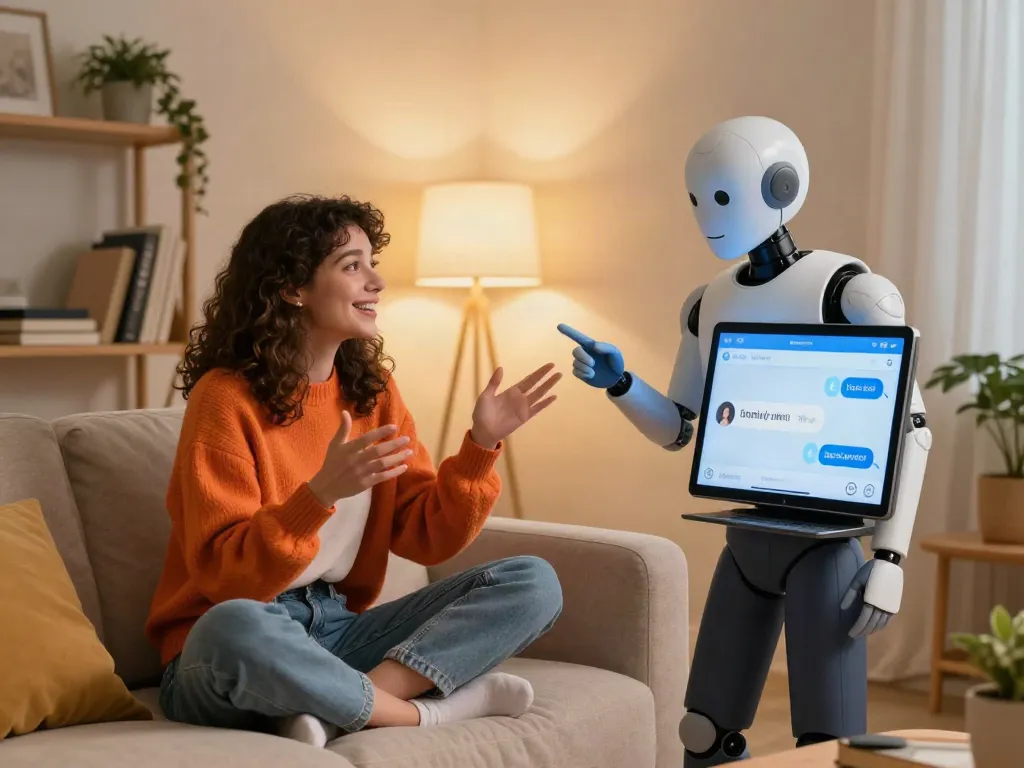
The Evolution of AI Companionship
As we venture into the digital age, the concept of companionship has transcended physical boundaries, evolving into virtual realms that redefine interactions and emotional support. Artificial Intelligence (AI) companions, specifically chatbots and character-driven interfaces, have become pivotal in meeting human emotional needs. This evolution presents not only a technological advancement but also a cultural shift in how individuals seek companionship. From simple programmed responses to sophisticated emotional intelligence, AI companionship has grown to reflect the complexities of human relationships. Here, we explore the history, advancements, and impacts of AI companions on society.
Understanding AI Companionship: A Historical Overview
The journey of AI companionship is rooted in the early days of computer science. In the 1960s, ELIZA, created by Joseph Weizenbaum, marked the first attempt to simulate conversation, albeit with limited scope. This precursor laid the groundwork for conversational agents, showcasing the potential of machines to mimic human interaction. Fast forward to the 21st century, where rapid advancements in machine learning and natural language processing have enabled the design of more sophisticated companions. Platforms such as https://companion.crushon.ai/ are designed to facilitate immersive experiences that cater to individual desires, demonstrating how technology has come full circle, evolving from mere text-based responses to engaging, character-driven dialogues.
Key Developments in Character Design and Interaction
Character design in AI has evolved significantly, with a focus on creating relatable personalities that resonate with users. Advanced algorithms now enable AI companions to understand user preferences and adapt their behaviors accordingly. This personalization extends beyond basic responses; AI characters are developed with backstories, emotions, and the ability to learn from previous interactions. This interaction not only enhances user engagement but also fosters emotional connections, thus mimicking the nuances of human relationships more closely than ever before.
Technological Advances Driving Change
Innovation serves as the backbone of the increasing sophistication of AI companions. The integration of various advanced technologies is reshaping the landscape of human-AI interaction, allowing for richer experiences than what was possible a decade ago.
Innovative Technologies Enhancing User Experience
One of the primary technologies driving the change is machine learning, which allows AI to improve autonomously through experiences. User interactions help refine responses, making conversations feel more natural and intuitive. Moreover, advancements in augmented reality (AR) and virtual reality (VR) are enabling immersive environments where users can engage with AI companions as though they are physically present. These technologies not only enhance user experience but also provide a unique platform for creative storytelling, role-playing, and more.
Machine Learning and Its Impact on AI Conversations
Machine learning techniques, particularly deep learning, have revolutionized the way AI understands and generates human language. By utilizing vast datasets, AI can learn to craft responses that are contextually relevant and emotionally aware. This shift has led to more natural conversations, allowing users to explore deeper topics with their AI companions. Consequently, the experience becomes less about scripted interactions and more about authentic exchanges that can lead to emotional fulfillment.
The Integration of Natural Language Processing Techniques
Natural Language Processing (NLP) plays a crucial role in ensuring that AI companions can understand and respond to a myriad of conversational nuances. Advanced NLP techniques help AI decode user sentiments, enabling the companion to adjust its responses accordingly. This capability is essential, particularly in scenarios where companions serve therapeutic roles, as understanding emotional cues can vastly improve the effectiveness of interactions.
User Experience: Enhancements and Expectations
As AI technology continues to evolve, user expectations are rising correspondingly. Modern users seek interactions that are not only seamless but also enriching. The demand for high-quality AI companionship is reshaping development standards across the industry.
How User Intent Shapes AI Interaction Features
Understanding user intent is vital in designing interactive features that genuinely enhance the experience. Modern AI companions are not only designed to respond but also to anticipate user needs, creating a more proactive interaction model. By leveraging user data, AI companions can adapt their personalities and conversation styles to align with individual preferences, catering to diverse emotional states and desired interaction types.
Common User Challenges with AI Companionship
Despite advancements, users often encounter challenges in AI companionship. Misinterpretation of emotional cues, lack of personalization, and occasional technical glitches can hinder user experience. Additionally, users may feel a disconnect if AI companions fail to engage in meaningful conversations. Addressing these challenges requires ongoing refinement of algorithms and a deep understanding of user feedback to enhance AI capabilities.
Best Practices for Engaging Conversations with AI
To maximize the potential of AI companionship, users must engage effectively. This involves being clear and specific about their conversational desires and emotions. Additionally, users should provide feedback after interactions, guiding AI companions to improve over time. Ultimately, fostering an environment of open communication enables a more enriching experience for both the user and the AI companion.
Real-World Applications of Companion AI
AI companionship extends beyond mere conversation, finding applications across various domains including mental health support, educational tools, and social interaction enhancements.
Case Studies: Successful Integrations of AI Companionship
Numerous case studies illustrate the successful integration of AI companions into daily life. For instance, therapy chatbots designed by mental health organizations have demonstrated significant effectiveness in providing support and resources to those in need. These applications not only assist individuals in coping with stress and anxiety but also help in normalizing conversations around mental health.
AI Companionship in Mental Health and Wellness
The role of AI companions in mental health is particularly impactful. Research indicates that AI can provide therapeutic conversations for individuals who may not have access to human therapists. Tools that allow users to express their thoughts and feelings without judgment empower individuals to seek support when they feel most vulnerable. Studies suggest that these engagements can lead to significant improvements in mental wellness, highlighting the potential of AI as a supplementary resource in mental health care.
Impact on Social Interaction: A Dual Perspective
While AI companionship provides an avenue for social interaction, it also raises questions about the impact on traditional human relationships. Some argue that reliance on AI companions may lead to social isolation, while others believe that these technologies can augment existing relationships. The dual perspective emphasizes the need for balance, encouraging users to leverage AI companions for companionship while maintaining meaningful connections with others.
Future Trends in AI Companionship for 2026 and Beyond
The future of AI companionship is bright, with numerous trends poised to redefine the landscape further. As technology continues to advance, the capabilities of AI companions will expand, paving the way for more integrated and meaningful user interactions.
Predictions: The Next Wave of AI Companions
Experts predict that the next wave of AI companions will incorporate more advanced emotional intelligence, allowing for deeper connections with users. Enhanced sensory inputs, such as voice modulation and facial recognition, will likely enable AI companions to respond more dynamically, tailoring interactions to suit individual emotional states. This evolution will create opportunities for AI to become not just companions but also trusted confidants in users’ lives.
Ethical Considerations in AI Companionship
As AI companionship becomes more prevalent, ethical considerations must be addressed. Questions surrounding data privacy, consent, and the potential for dependency on AI raise significant concerns. Developers must navigate these issues with care, ensuring that user privacy is prioritized while fostering healthy interactions between humans and AI.
Emerging Technologies That Will Shape the Future of AI
Emerging technologies such as quantum computing and advanced neural networks are set to revolutionize the capabilities of AI companions. These advancements will enable faster processing of complex interactions, allowing AI to learn and adapt in real-time. As technology progresses, so will the potential applications, making AI companions even more vital in various aspects of life.
What is the significance of AI in modern relationships?
AI plays a pivotal role in modern relationships by offering support, companionship, and even learning experiences. As individuals seek connection in an increasingly digital world, AI companions can help bridge gaps, providing interactions that foster emotional growth and understanding.
How does https://companion.crushon.ai/ ensure user privacy?
Ensuring user privacy is a paramount concern for platforms like https://companion.crushon.ai/. Robust security measures, such as end-to-end encryption and strict data management policies, are implemented to protect user data and confidentiality. Transparency in how user information is utilized further enhances trust between users and AI companions.
What features are essential in a quality AI companion?
Key features of a quality AI companion include emotional intelligence, adaptability, personalized interactions, and user-friendly interfaces. These attributes ensure that users can enjoy a seamless and engaging experience, fostering meaningful connections and satisfaction.
Where can users find real-time support for AI interactions?
Many platforms provide real-time support for AI interactions, including dedicated help sections and live customer service teams. Users are encouraged to explore these resources to maximize their experiences with AI companions, seeking guidance and troubleshooting as needed.
How will AI companionship evolve in the next decade?
The next decade promises further evolution in AI companionship, with significant advancements in emotional intelligence, user integration, and ethical frameworks. As technology continues to develop, AI companions will play an increasingly crucial role in enhancing human experiences, addressing emotional needs, and reshaping our understanding of companionship in a digital landscape.